Marcus Hale · July 12, 2026
Exploring the Vibrant Life of Everyday Sidewalks.
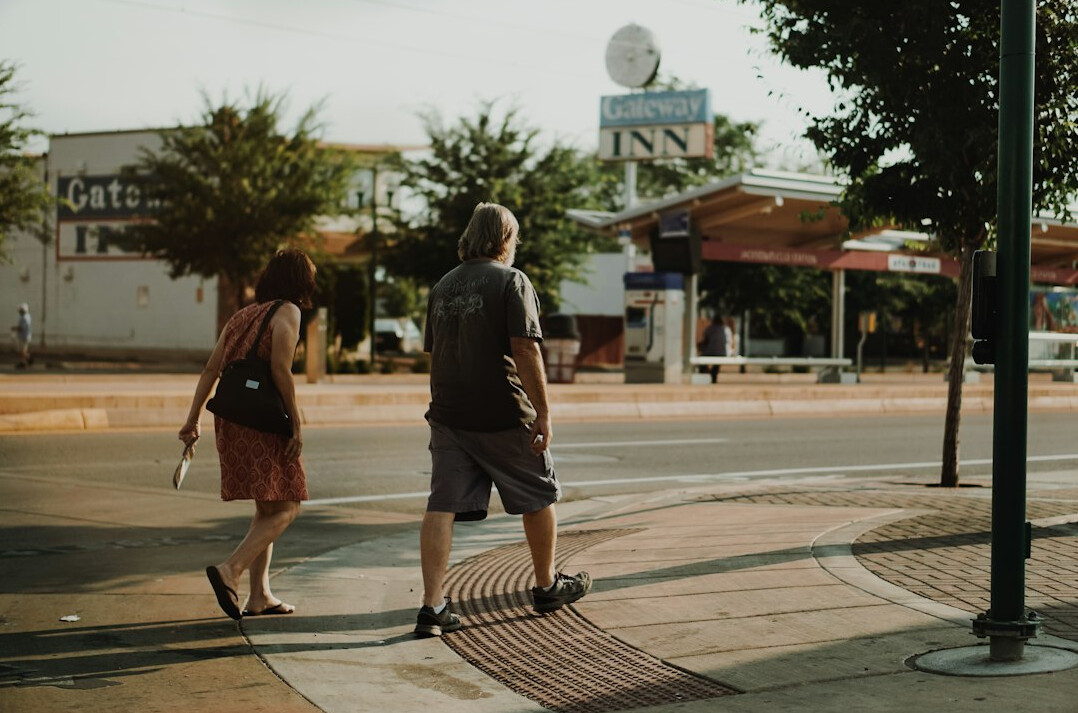
Sidewalks are the unsung arteries of any city, carrying the steady flow of people from one moment to the next without much fanfare. On an ordinary Tuesday morning, you might spot a barista balancing two coffees while checking her phone, or an older gentleman pausing to let his dog sniff at a patch of weeds pushing through the cracks. These strips of pavement hold layers of stories that unfold in real time, often overlooked in the rush to get somewhere else.
The Morning Rush and Its Quiet Counterparts
As the sun climbs higher, the energy shifts. Delivery workers weave between clusters of office-bound professionals, their carts rattling over uneven concrete. Nearby, a street musician sets up near a bus stop, tuning a battered guitar while commuters drop coins into an open case. It is easy to dismiss these scenes as background noise, yet they form the texture of shared space. One person might hurry past without a glance, while another lingers to listen for a few extra bars.
Small Interactions That Build Connection
What stands out after spending time simply watching is how many tiny exchanges happen without words. A nod between two regulars at the same corner, a parent pointing out a colorful mural to a child, or someone offering a spare umbrella during sudden rain. These gestures rarely make headlines, but they quietly stitch neighborhoods together. Sidewalks become places where strangers briefly share the same patch of ground before moving on.
Afternoon Lulls and Unexpected Encounters
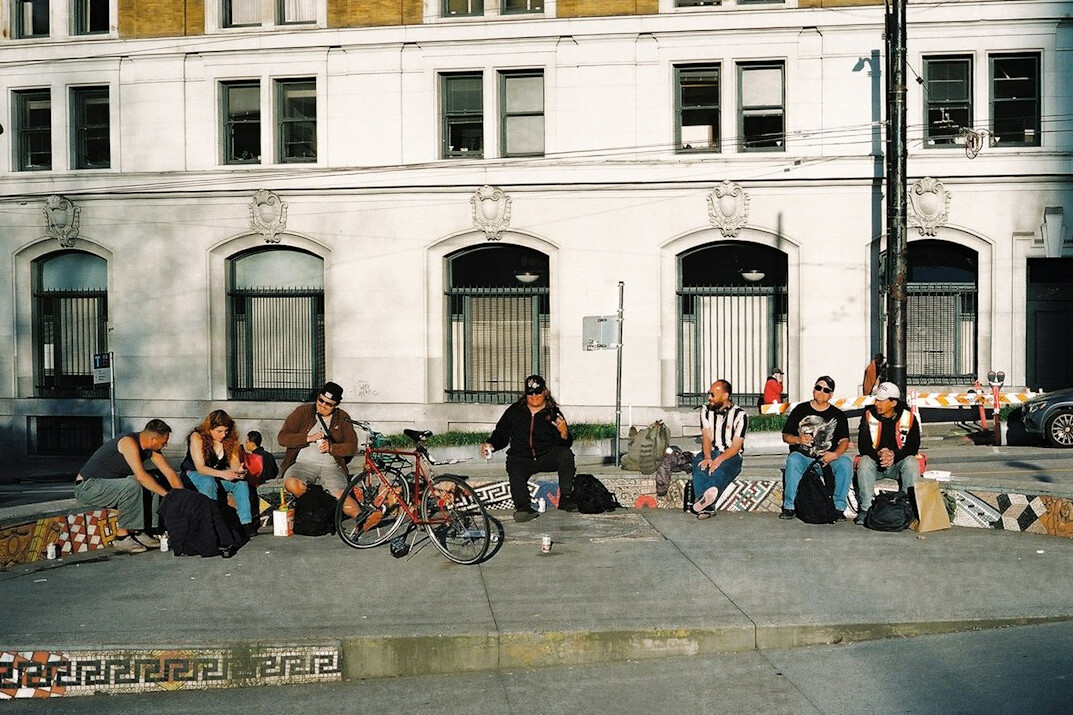
By midday the pace often slows. Retirees gather on benches, trading stories about the way the block used to look before new construction arrived. A teenager practices skateboard tricks near a planter, the sound of wheels echoing against building walls. Occasionally a lost tourist stops to ask for directions, and the conversation stretches longer than expected, turning into shared laughter over a misunderstood landmark.
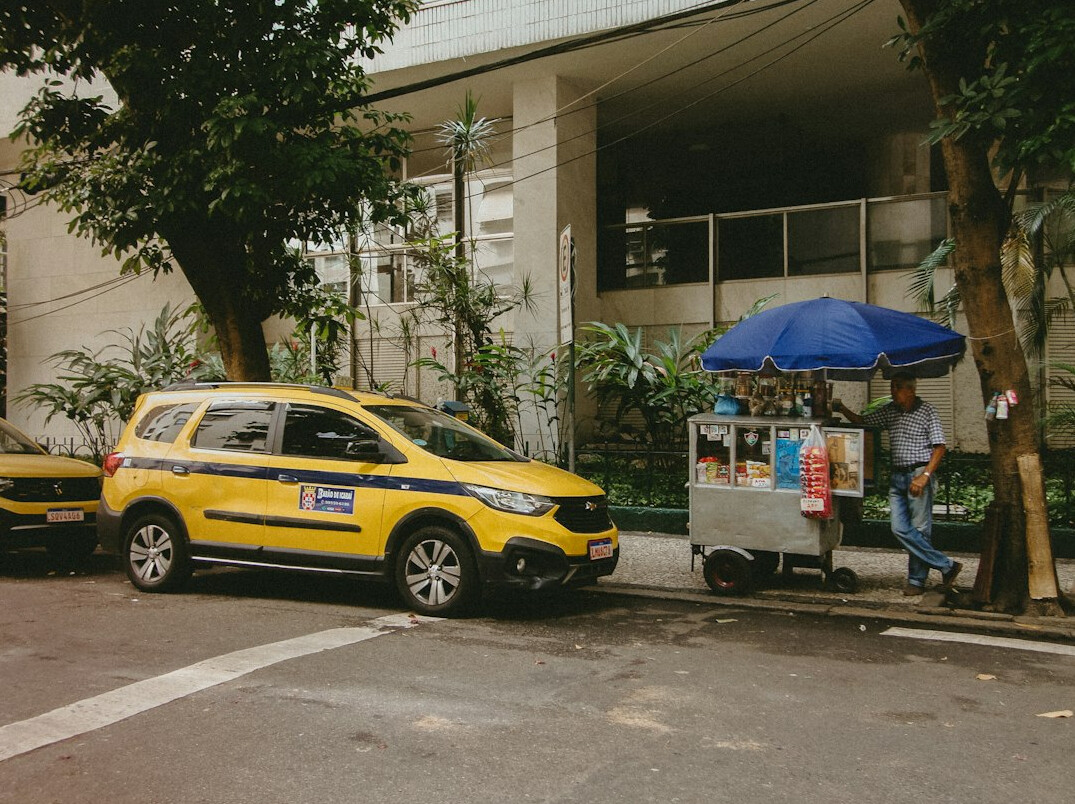
Every sidewalk tells its own version of the city, shaped by whoever happens to be walking it that day.
Evening Transitions and Lingering Moments
As daylight fades, the same stretch of pavement takes on a softer glow from shop windows and streetlamps. Friends meet after work, leaning against railings while deciding where to grab dinner. A runner passes with reflective strips on their shoes, breathing steadily. Even the empty moments carry weight, the way discarded coffee cups and fallen leaves collect along the curb until morning sweeps them away.
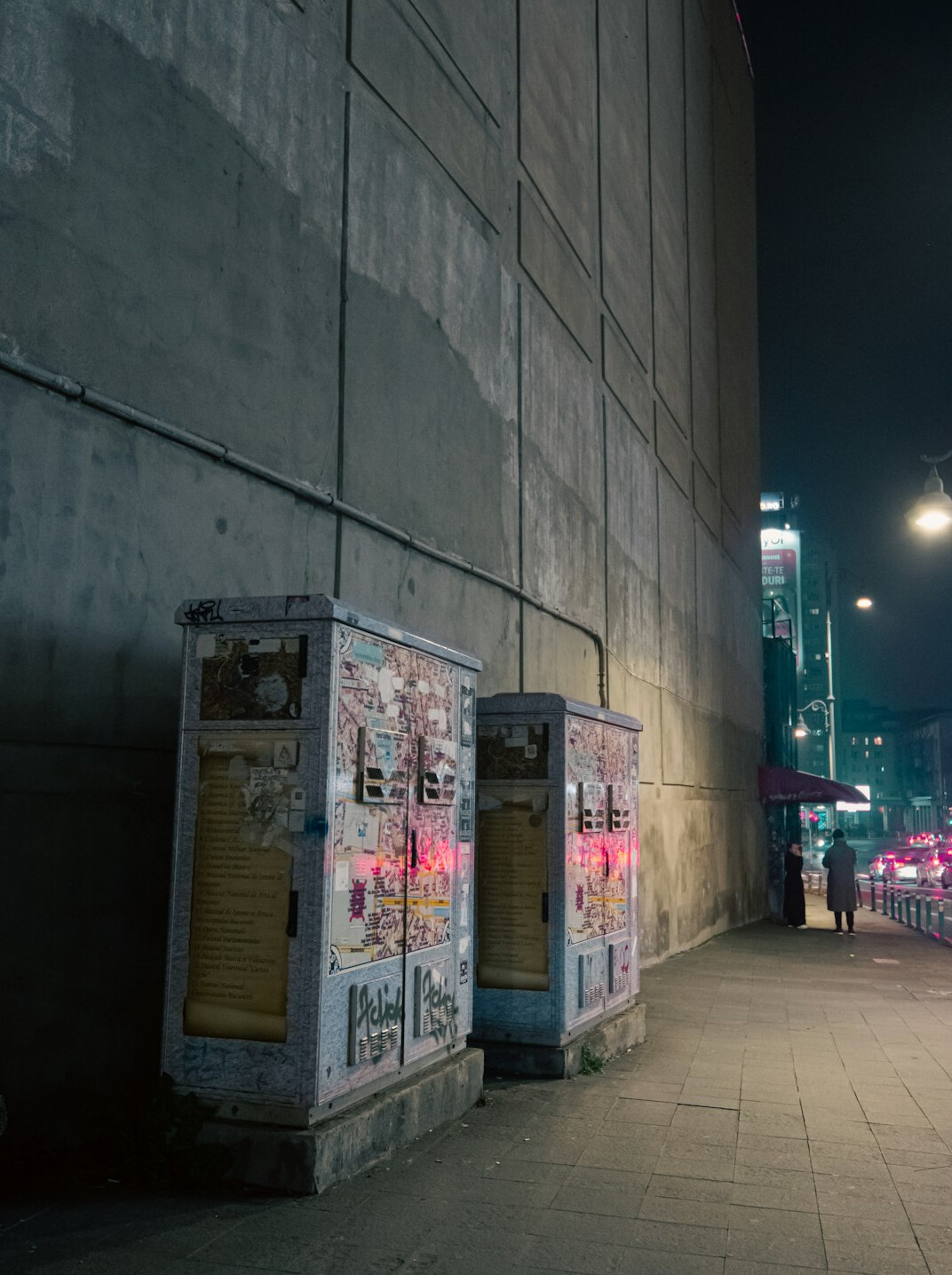
Over weeks of observation, patterns emerge without forcing them. Certain spots attract the same faces at predictable times, while others draw spontaneous gatherings when weather or events shift routines. The concrete itself shows signs of use: worn paths around trees, chalk drawings from children, or the occasional handwritten sign taped to a pole. These details accumulate into a living record of how people claim and move through public ground.
Why Paying Attention Matters
Taking time to notice sidewalks changes how the city feels. Instead of rushing from point A to point B, there is room to register the small details that make a place feel alive. A cracked tile might mark where someone tripped last winter, or a freshly painted bench could signal recent neighborhood efforts. These observations build a deeper sense of belonging, reminding anyone willing to slow down that the most ordinary stretches of pavement hold endless variety.