
Liam Thompson · August 15, 2026
Finding Community in Forgotten Urban Corners
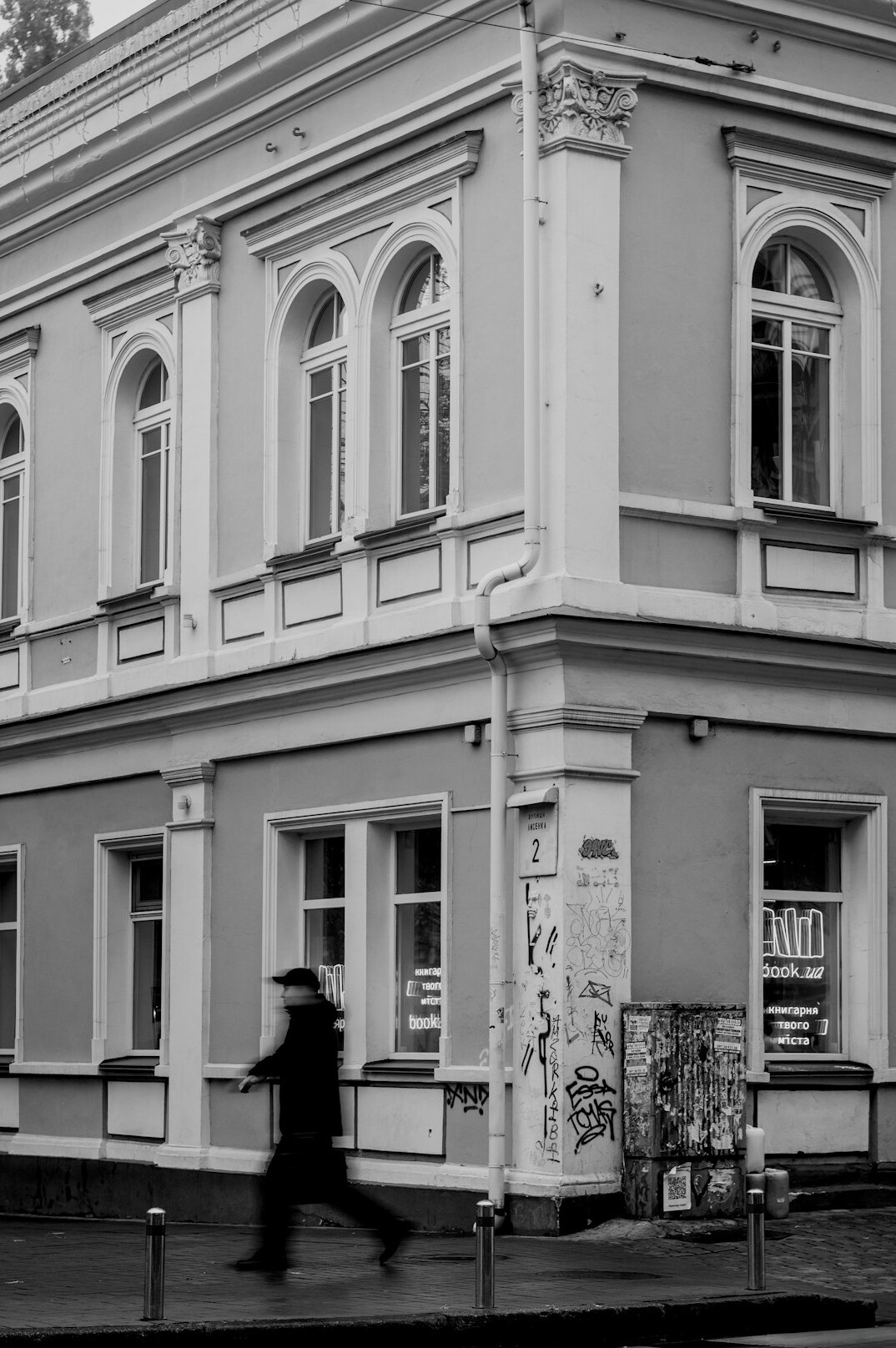
Walking through the city on an ordinary afternoon, it is easy to overlook the small patches of space that seem to have been left behind. Yet these forgotten corners often hold the quiet beginnings of something meaningful. I have spent months wandering the back alleys and unused lots near my neighborhood, noticing how people naturally gravitate toward them without any grand plan.
Unexpected Gatherings
One spot that stands out is a narrow strip of grass behind an old warehouse. There is no sign or bench, just a few concrete blocks and some wildflowers pushing through the cracks. On weekends a small group of neighbors starts to appear. Someone brings a folding chair, another sets down a cooler with drinks. Conversations start over simple things like the weather or a stray dog that wanders by. Before long the space feels less empty and more like a shared living room.
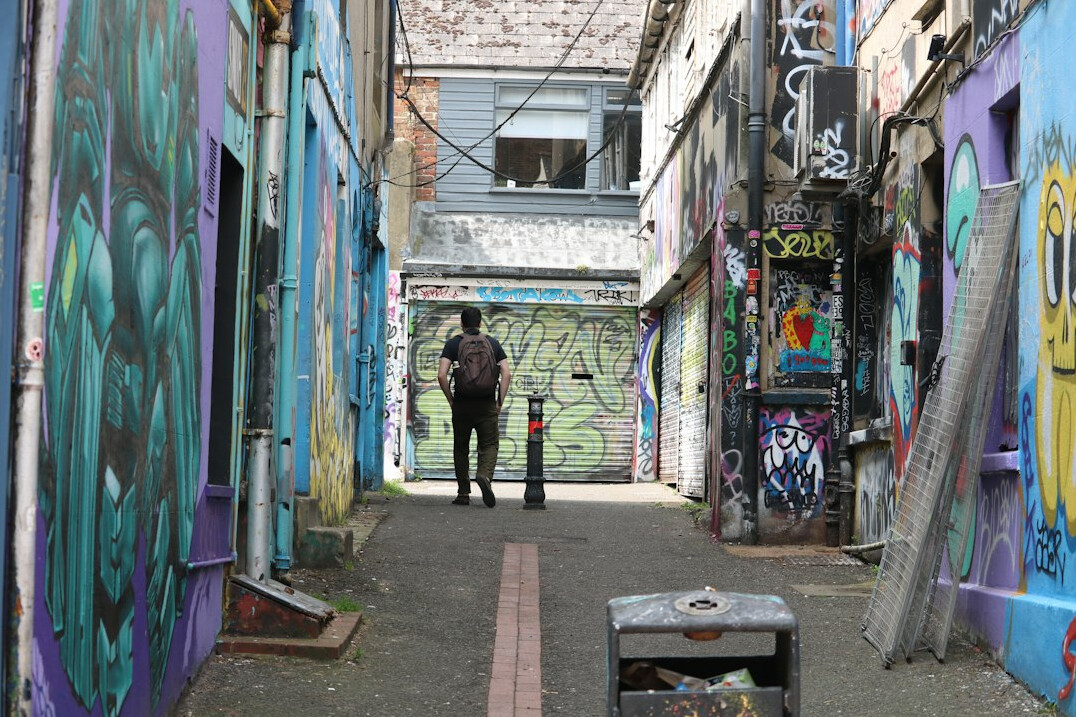
What surprises me most is how these places encourage interaction without forcing it. No one organizes events or posts flyers. Instead, the absence of rules lets people shape the space themselves. An older man might repair a broken fence while a teenager practices skateboard tricks nearby. The mix of ages and backgrounds creates a natural rhythm that feels authentic.
Stories from the Edges
Take the corner near the disused railway line. During my visits I met a woman who comes every Tuesday to read under a lone tree. She told me she started visiting after noticing others doing the same. Now they exchange books and talk about their favorite chapters. Another regular is a retired bus driver who brings seeds and plants them along the fence. His small garden has become a talking point that draws new faces each month.
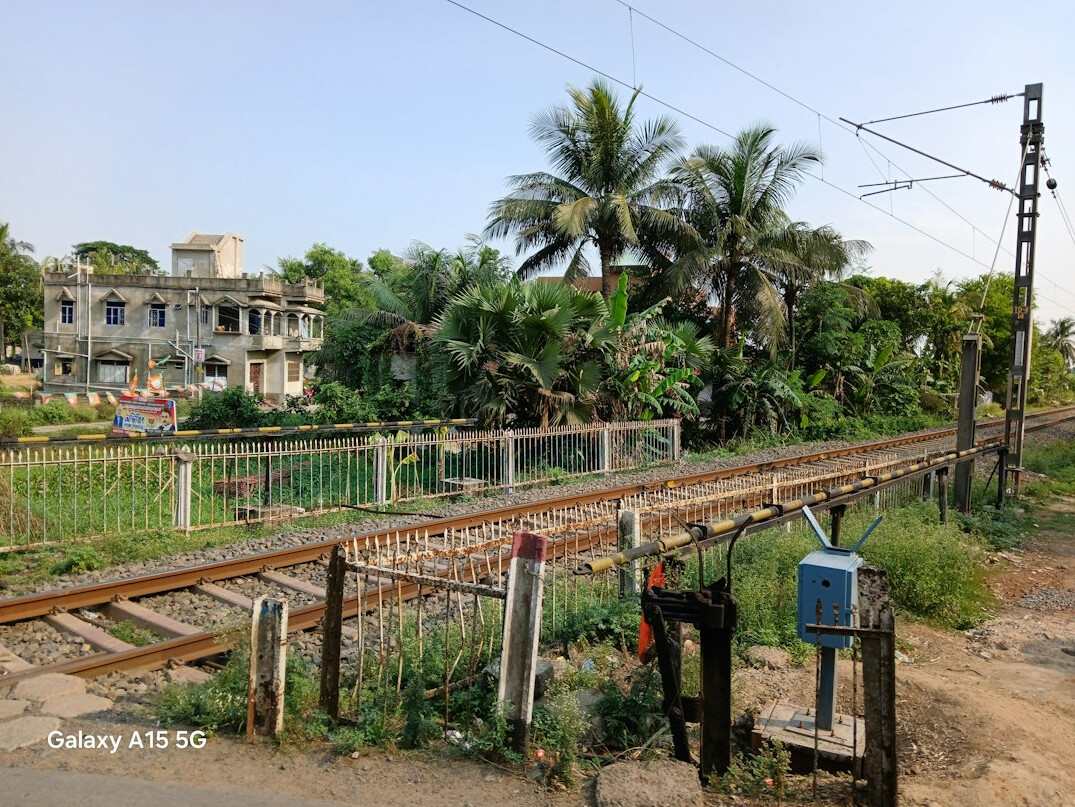
These encounters remind me that community does not always require big plazas or official parks. Sometimes it grows from the simple act of returning to the same overlooked place day after day. The consistency builds trust, and trust leads to conversations that might never happen in busier areas.
Small Acts of Care
People also begin to look after these corners in quiet ways. Someone sweeps away litter, another leaves a stack of old magazines on a stump. Over time the space gains a personality shaped by its users rather than any city planner. This ownership feels personal and lasting.
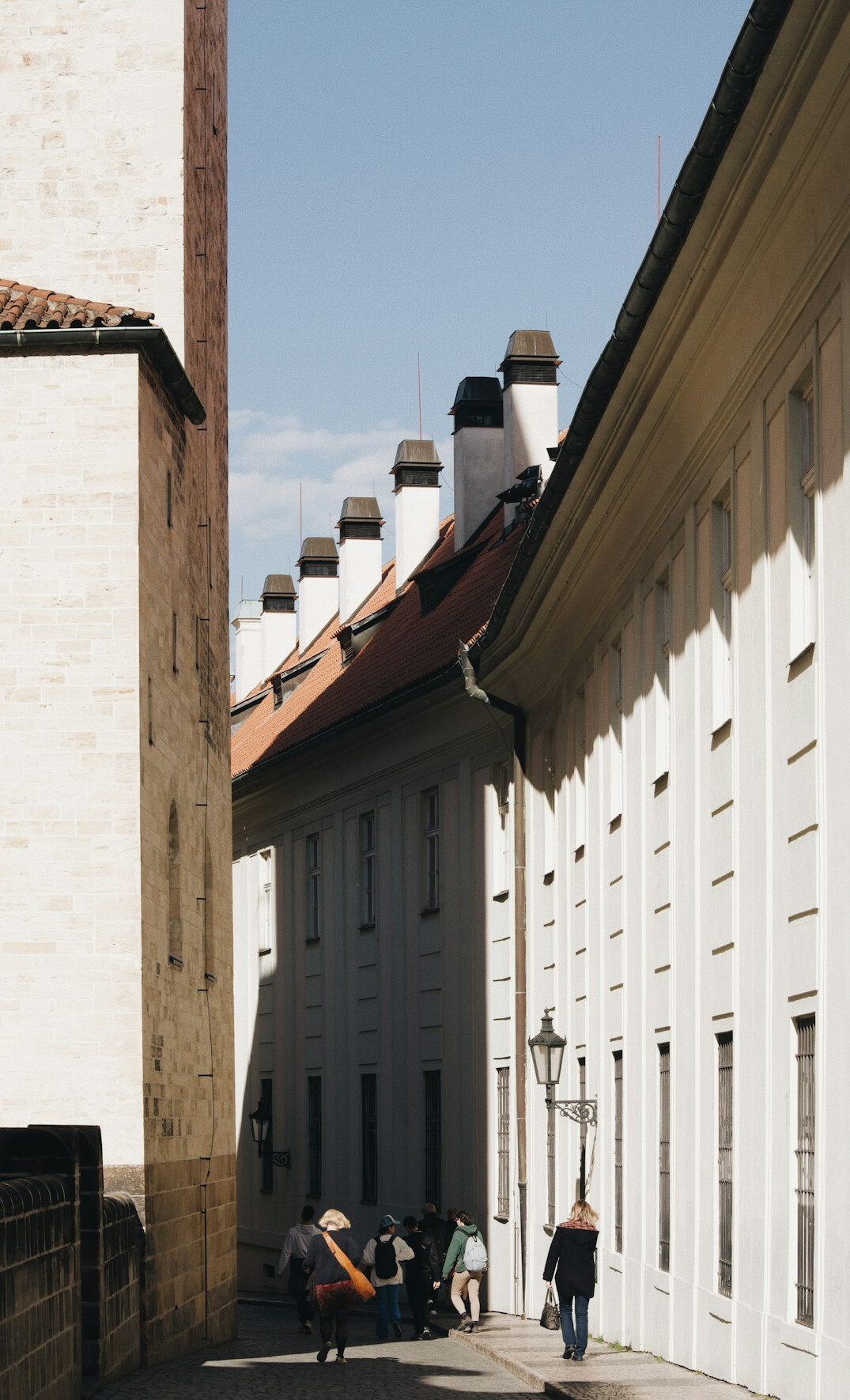
Of course not every corner turns into a hub, yet the potential remains. The key seems to be patience and the willingness to notice what is already there. When we slow down enough to see these spots, we often discover they are already connecting us in small but real ways.