
Michael Rivera · August 10, 2026
How Public Benches Connect Strangers in the City
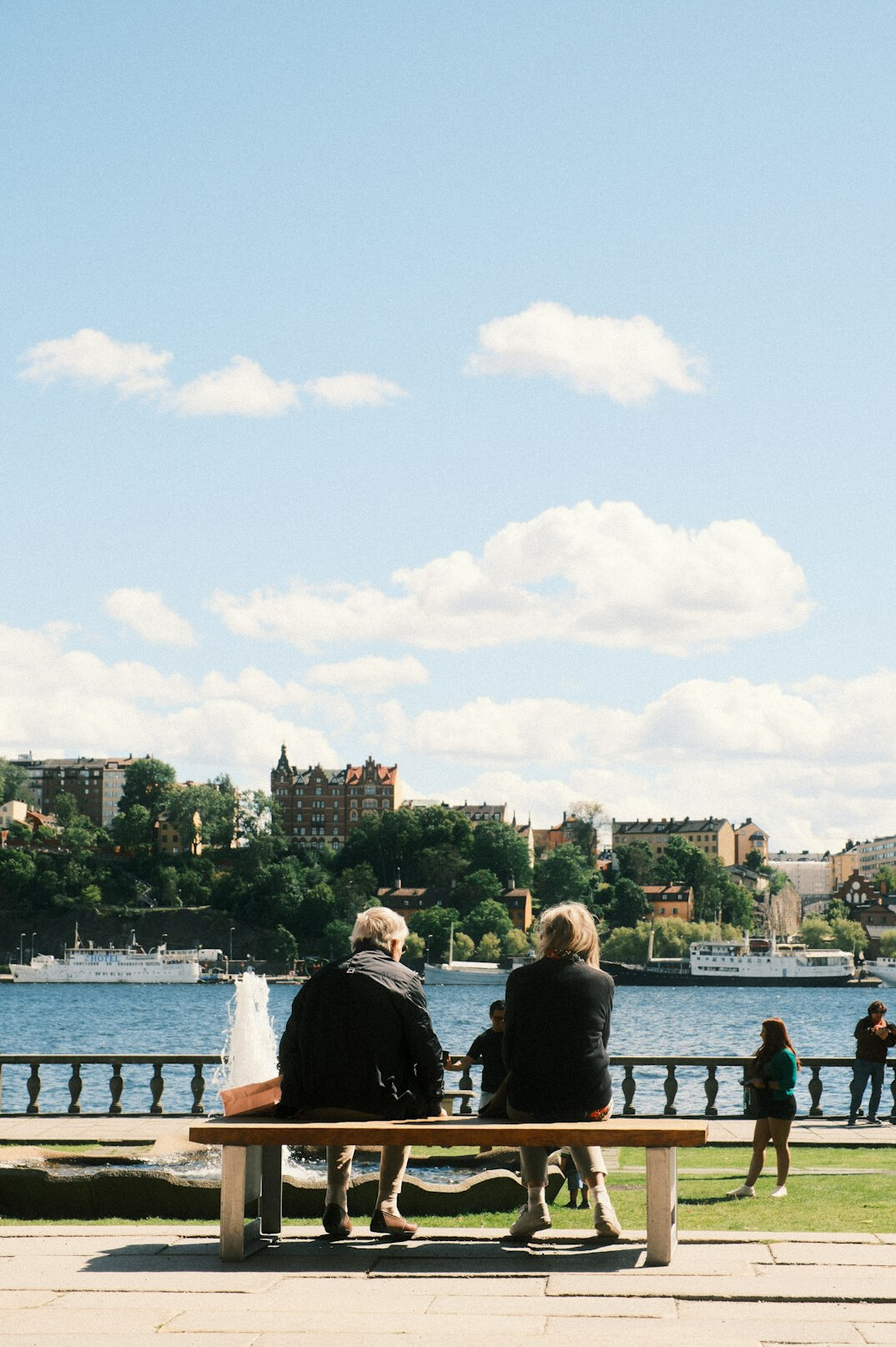
In the rush of city life, where people hurry past one another with eyes glued to phones, it is easy to overlook the simple wooden or metal seats scattered along sidewalks and in parks. Yet these unassuming public benches often serve as quiet catalysts for human connection, turning strangers into momentary companions or even lasting friends.
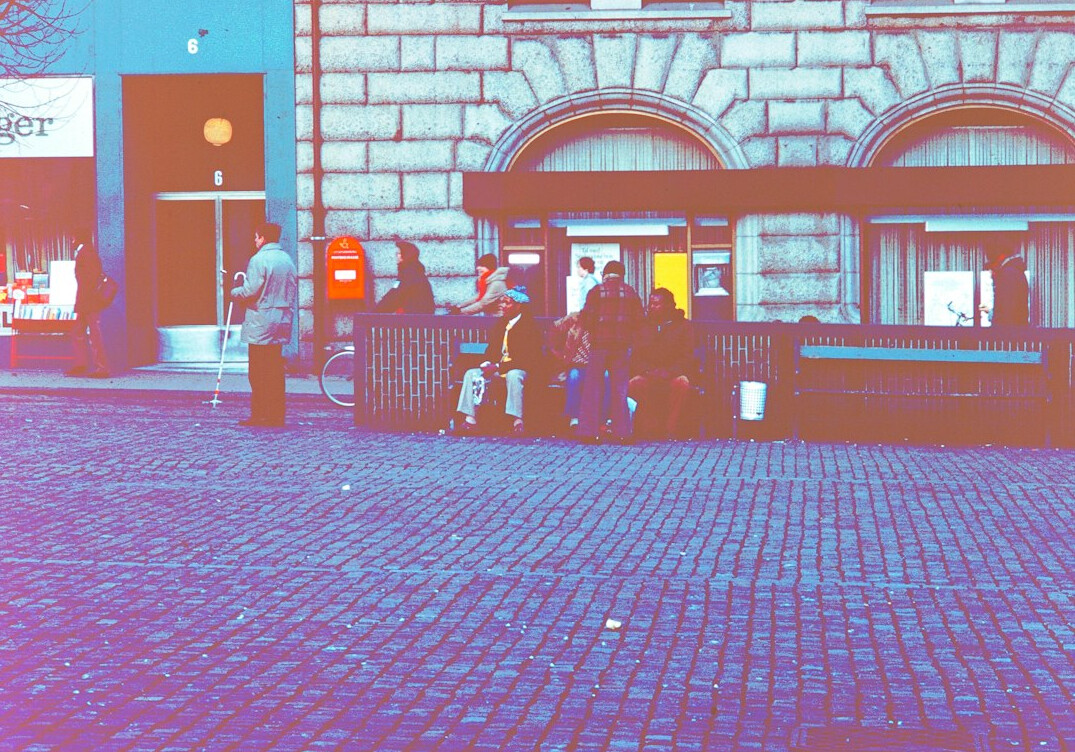
Take a typical afternoon in any bustling downtown area. A bench near a busy intersection might host an elderly man feeding pigeons alongside a young professional on her lunch break. At first, they sit in silence, but a shared smile over a curious bird or a dropped newspaper can break the ice. Conversations begin with small observations about the weather or the passing crowds, gradually revealing personal stories that bridge generational or cultural gaps.
The Unexpected Bonds Formed
Public benches encourage a kind of passive sociability that modern life rarely allows. Unlike cafes or bars that require purchases, these seats are free and open to all. This accessibility draws in a diverse mix of individuals: tourists resting their feet, locals catching a breath between errands, or even homeless residents seeking a moment of respite. Over time, regular bench users recognize familiar faces, leading to nods of acknowledgment that evolve into brief chats.
One recurring theme is how benches facilitate advice-sharing or emotional support. A stressed parent might vent about work-life balance to a sympathetic listener nearby, while a student struggling with studies receives encouragement from a retired teacher. These interactions, though fleeting, remind people that they are not alone in their daily struggles.
Urban Design and Social Impact
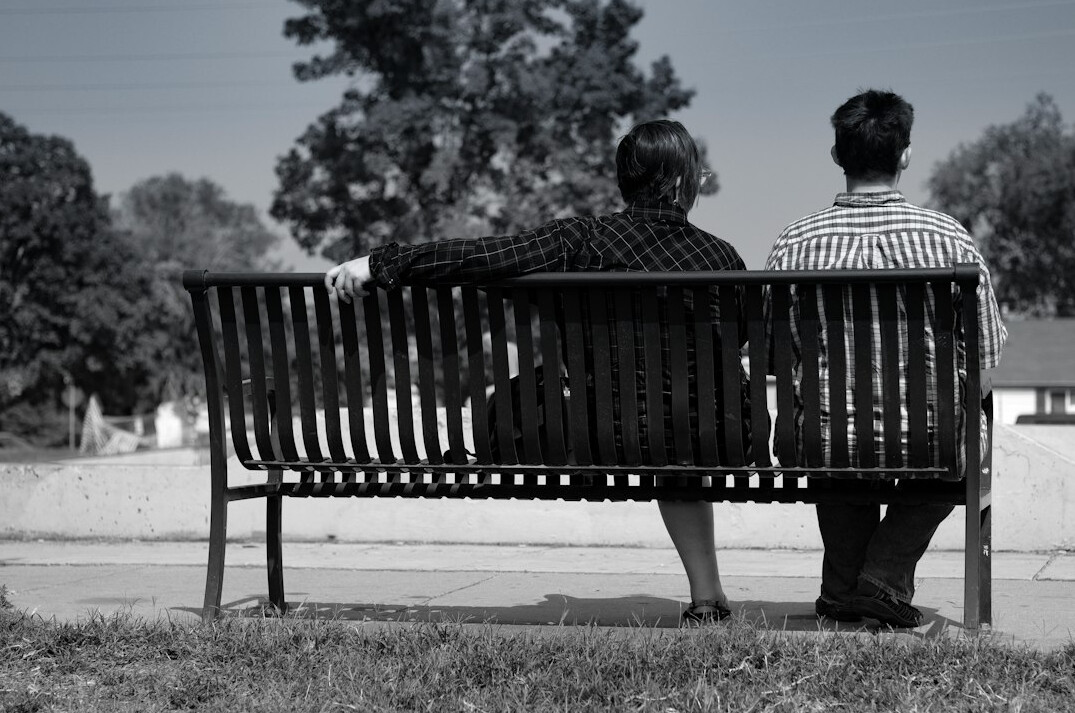
City planners have long debated the placement and design of public seating. Benches angled toward each other promote eye contact and dialogue, whereas those facing outward can feel more isolating. In neighborhoods with thoughtful installations, such as curved arrangements around fountains or under shade trees, the rate of spontaneous conversations rises noticeably. Studies from urban sociologists highlight how these spaces combat loneliness, especially in dense populations where isolation is common despite proximity to others.
Consider seasonal variations too. Summer benches under leafy canopies become hubs for storytelling, while winter ones wrapped in scarves and hot drinks foster resilience through shared complaints about the cold. Events like bench-painting workshops or community clean-ups further transform these spots into focal points for collective identity.
Sometimes the best conversations happen when you least expect them, right there on an ordinary bench watching the world go by.
Stories from Everyday Encounters
Real-life examples abound. In one city, two artists met on a bench and later collaborated on a mural inspired by their chance meeting. Elsewhere, a bench became the site where a job seeker received a lead from a passerby who overheard their phone call. These anecdotes underscore the benches' role beyond mere furniture; they are stages for micro-dramas of connection.
Yet challenges exist. Some benches are removed due to anti-loitering policies, or designed to deter prolonged sitting with armrest dividers. Advocates push back, arguing that inclusive seating strengthens social fabric and mental health in increasingly fragmented societies.
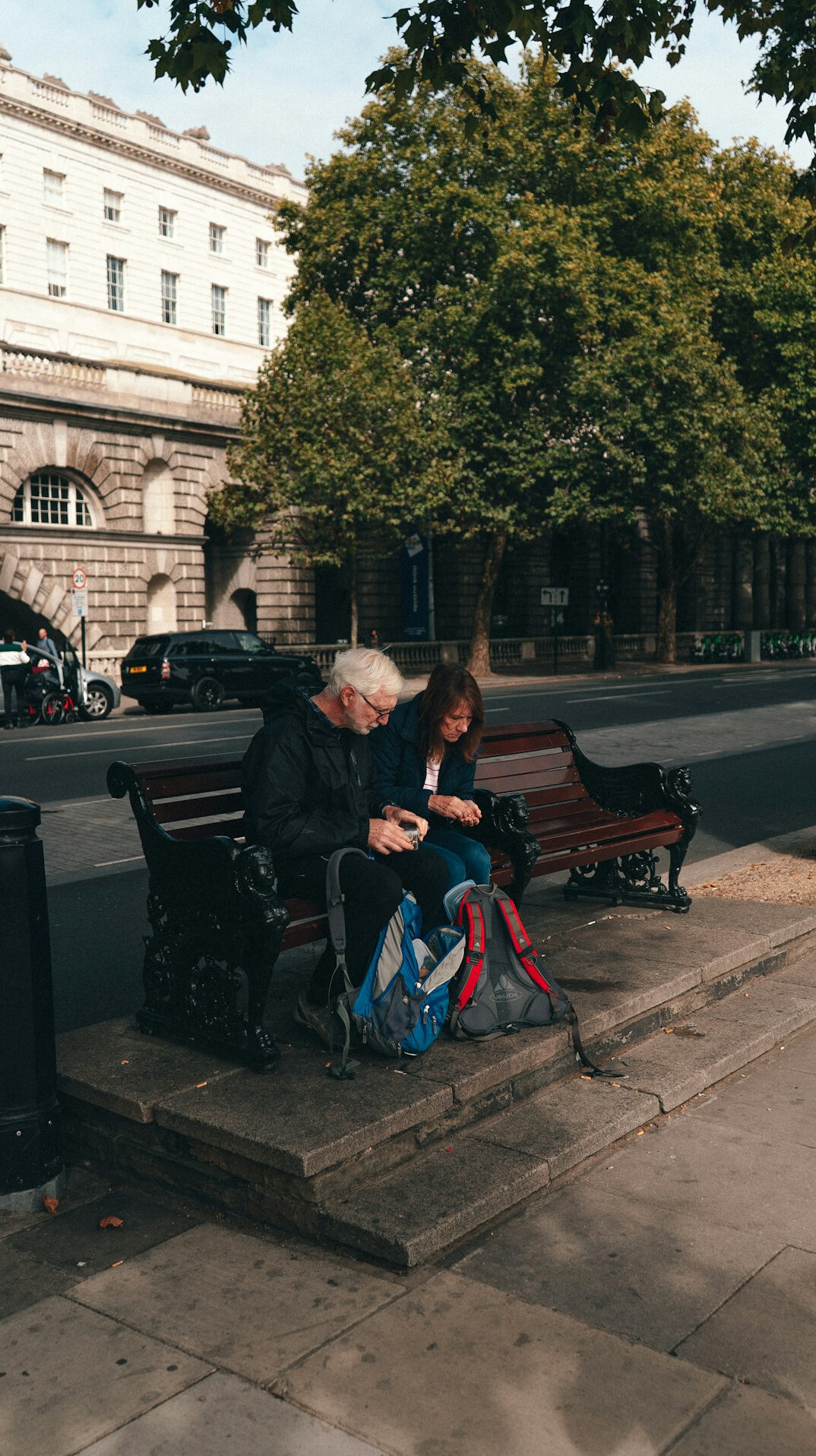
Ultimately, public benches remind us of the value in slowing down. They invite us to pause, observe, and engage with those around us, weaving threads of community in the vast tapestry of city living. Next time you pass one, consider sitting for a while. You never know who might join you.