Michael Thompson · July 22, 2026
The Quiet Charm of Suburban Shopping Centers
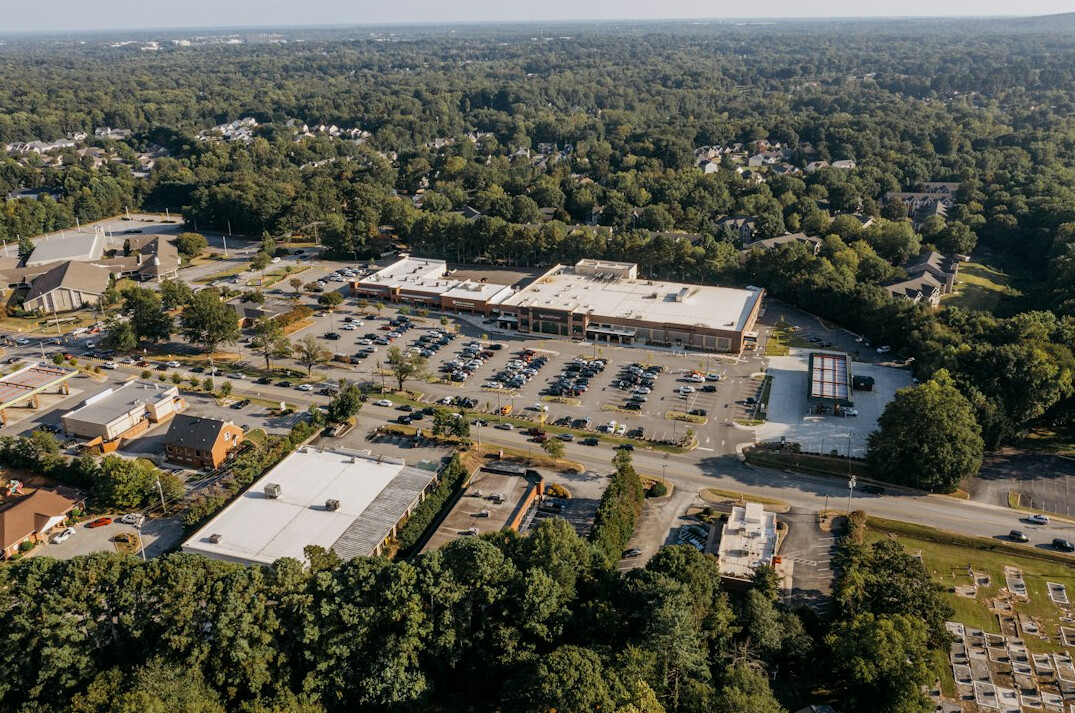
Suburban shopping centers have a way of blending into the background of daily life. They sit at the edges of neighborhoods, surrounded by vast parking lots and familiar chain stores, yet they hold a certain understated appeal that city centers often lack. On a typical weekday morning, the air feels still, with only a handful of cars scattered across the asphalt and the occasional jogger cutting through the lot on their way elsewhere.
Architecture That Invites Without Overwhelming
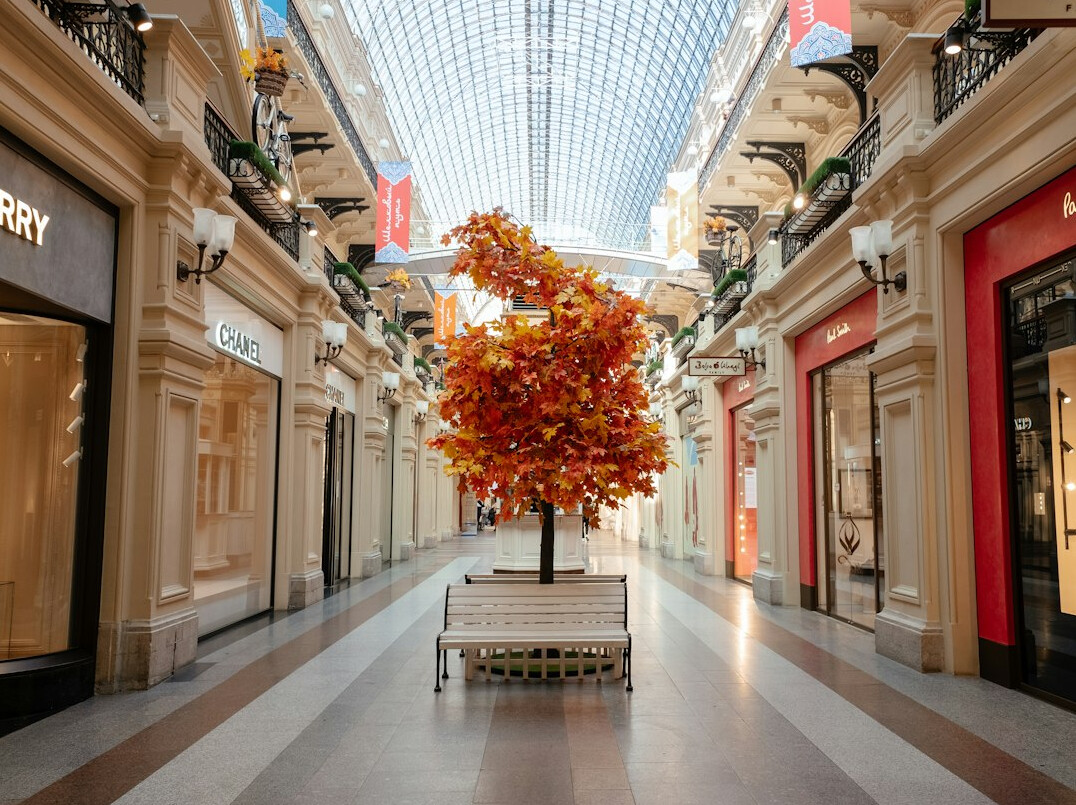
Unlike the towering glass structures downtown, these places favor wide walkways and single-level layouts that make navigation simple. Benches line the corridors at regular intervals, and skylights let in soft natural light that changes with the seasons. The design encourages lingering rather than rushing, which is why you often see older residents settling in for a slow walk or parents pausing with strollers near the central fountain.
The Rhythm of Everyday Visitors
People come here for reasons that go beyond shopping. Retirees treat the climate-controlled corridors as their walking track, moving in pairs and chatting about grandchildren or local news. Teenagers gather near the arcade or bookstore in small groups, their laughter echoing off the tile floors. It is a shared space where different generations cross paths without much fanfare.
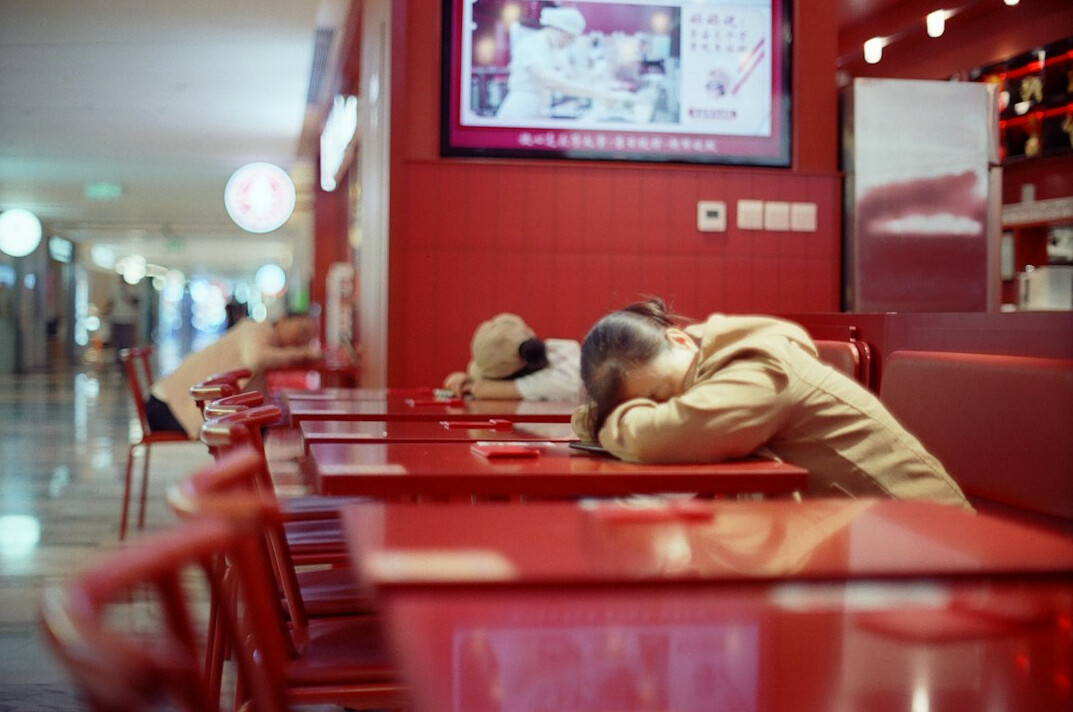
One afternoon I watched a woman in her sixties meet a friend at the coffee kiosk. They bought the same pastries they always do and claimed their usual table near the window overlooking the parking lot. Their conversation drifted from health updates to plans for the weekend farmers market. Moments like these turn the mall into something closer to a community living room than a retail destination.
Stores That Reflect Local Life
The mix of tenants tells its own story. A hardware store sits beside a craft shop, while the supermarket anchors one end and a movie theater the other. Independent kiosks selling phone cases or personalized keychains add variety without trying too hard to stand out. During slower hours the aisles feel almost residential, with staff members who recognize regular faces and ask about their last visit.
Quiet Hours and Hidden Details
Early mornings before the crowds arrive reveal details that disappear later. The smell of fresh bread from the bakery drifts through the main corridor. Maintenance workers polish the floors to a soft shine, and the fountains run without interruption. These are the hours when the center feels most at peace, almost like a private garden rather than a commercial space.
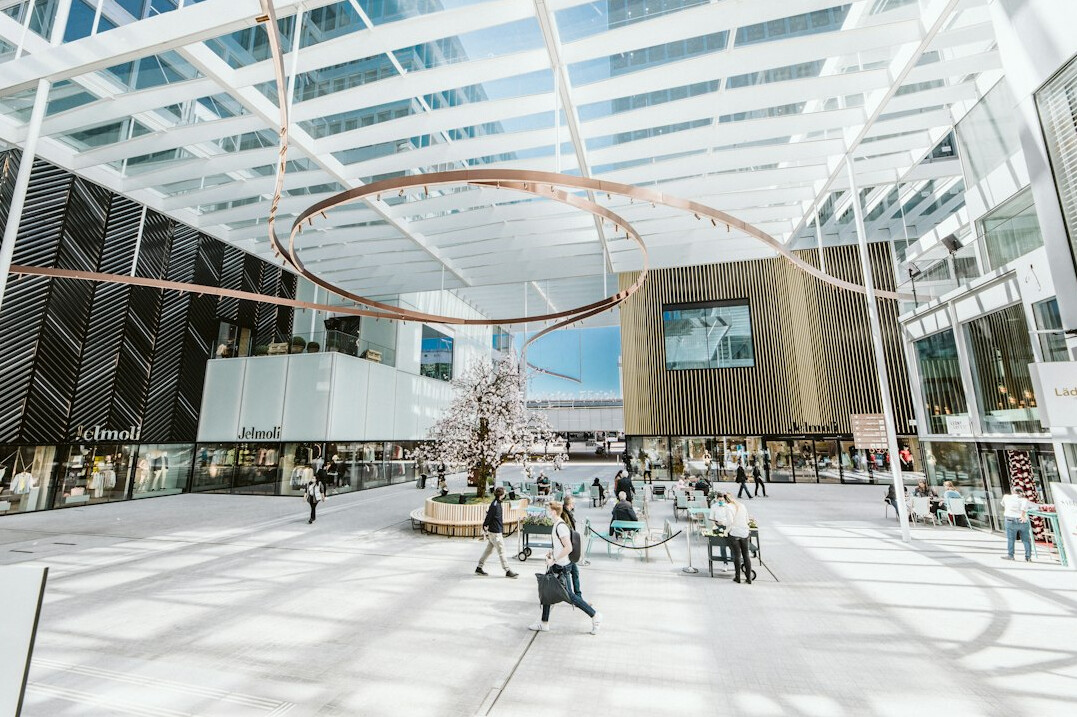
Even the lighting plays a role. Soft overhead panels and occasional accent lamps create pockets of warmth that make it easy to sit and read or simply watch the slow parade of shoppers. It is easy to forget you are in a place designed for transactions when the atmosphere feels so ordinary and welcoming.
Why These Spaces Endure
Suburban shopping centers survive because they adapt to the people who use them rather than the other way around. They offer convenience without spectacle and a sense of familiarity that newer developments often miss. In a world that prizes novelty, their quiet consistency becomes its own kind of charm. Next time you pass one on your commute, consider stopping in. You might find more than you expected in those familiar corridors.